Southern Aircraft Sales Ltd, New Zealand (NZ Co 1344648)
Changes effective 12th April 2026:
- Southern Aircraft Sales Ltd has been acquired 100% by Genco Energy Group Ltd.
- The Southern Aircraft Sales brand has been retired, and the company renamed Genco Valuation Ltd.
- Southern Aircraft Sales / Genco Valuation business is now represented by www.gencovaluation.com
Genco Valuation Ltd will continue to provide a leading aircraft and helicopter valuation service across New Zealand, Australia and the Pacific region.
Aviation valuation will be added to Genco's existing suite of valuation services, including:
- Plant and machinery
- Classic and performance automotive
- Marine
- Power generation plant and equipment
No change to existing customer service and support
Southern Aircraft Sales and Genco Energy Group share common founders and management.
All prior valuation reports under Southern Aircraft Sales Ltd will be fully supported by Genco Valuation Ltd.
A recalibration is necessary
Southern Aircraft Sales' traditional aviation brokerage, which was strong in the early 2000s, has been rendered obsolete.
The strength of the internet now has the aviation marketplace largely operating at a low to zero cost model.
The valuation industry professional governing body requires that all member practitioners have strict independence from any sales activities and commission incentives.
Signed,
Justin Sollitt
Director and Founder of Southern Aircraft Sales Ltd / Genco Valuation Ltd
Board of Directors
Genco Energy Group, Est. 2006

History of Southern Aircraft Sales Ltd (1999 – 2026)
Founder Justin Sollitt, a New Zealand entrepreneur and experienced pilot, has had a lifelong fascination with and passion for aviation.
Southern Aircraft Sales Ltd is best known for breaking the mould of traditional aircraft and helicopter dealerships in the early 2000s. Sollitt pioneered an aircraft brokerage that operated purely online at a time when the internet was in its infancy and the term 'ecommerce' was largely unheard of.
Back in the late 1990s, websites were the poor cousin to traditional sales yards and print advertising right across the transport industry and what SASL was attempting then was scorned as amateurish and avant-garde.
Today, ironically, the digital model is the global industry standard.
1997. After a childhood spent building countless model planes, Sollitt commenced learning to fly fixed-wing aircraft, where he completed his pilot’s licence in 1998. His instructor remarked—at just 9 hours—Sollitt is among the fastest that he had experienced sending a trainee pilot solo, where Sollitt clearly had a natural aptitude for flying.
1999. Armed with a newly minted pilot’s licence, the business of Southern Aircraft Sales commenced on a part-time basis, with Sollitt endlessly poring over light aircraft classifieds advertisements, inspecting aircraft for sale and researching aircraft rental deals.
2003. Southern Aircraft Sales Ltd (SASL) was officially incorporated and became full-time business. Driven by Justin’s relentless entrepreneurial drive, SASL quickly became the leading light aircraft and helicopter brokerage across New Zealand. Many in the industry remarked at how quickly Sollitt had disrupted the traditional aircraft sales industry, as well as considerably raising industry standards.
2004. SASL commenced operating light aircraft rentals in New Zealand, as well as expanding into aircraft valuation services.
2005. SASL expanded further into Australia, South Pacific, and beyond by commencing importing/exporting light aircraft. Sollitt formed strong nine-year alliance with the late, and legendary Australian aviation pioneer, Jim Hazelton (1931-2014), who generously tutored Sollitt in the hazardous business of long-range oceanic delivery flying.
Sollitt quickly turned SASL into a one-stop-aircraft shop by providing a frictionless, door-to-door, international sales and aircraft delivery service, compared to what was traditionally a difficult and tedious task in global acquisition logistics.
2007. SASL expanded its reach globally, transacting aircraft and helicopter deals to and from Australia, New Zealand, Pacific Islands, USA, Alaska, Asia and Europe.
2008. Sollitt achieved industry prominence for a remarkable single-handed long-range delivery flight of a small, two-seater microlight on an 8,000-kilometre journey from Christchurch, New Zealand, to Perth, Western Australia.
2009. Sollitt and SASL were accepted into the Plant and Machinery Valuers Institute (PINZ) specialising in aviation valuation. He soon became reputed as one of only a handful of aircraft and helicopter valuation specialists in Australasia.
2017. Sollitt and his technical team developed the Hangar247 aviation website. To meet the ever-changing market, this once again transformed the original brokerage into a global digital classifieds platform that was now representing aircraft and their owners across more than 30 countries.
2025. Regulatory professional bodies introduced strict guidelines concerning valuation and sales conflicts of interest. Because of these contemporary governing rules, SASL was required to choose between running the aircraft sales business or the valuation business; it could no longer operate both.
2026. Retaining the valuation business was chosen, and the SASL brand was retired.
Justin Sollitt reflects:
The key point of difference in this business was so simple, but so effective.
Traditionally, the vendor was usually required to fly their aircraft to the broker’s sales yard or hangar, often at the other end of the country, so that interested buyers could view them all in one place. However, in the business of sales, airport hangarage is very costly, and the aircraft normally went from being carefully husbanded in the owner’s hangar, to sitting outside in the open weather for months or even years.
Compounded by the fact that many aircraft were in commercial service, it was often not feasible to take an aircraft out of service so that they just could sit on a yard waiting for a buyer to come and view them.
SASL changed all this. The traditional aircraft sales yard was replaced with a fly-in-fly-out appraisal service, and the internet brought the aircraft and all their technical information collectively and seamlessly to one place of a different kind—the buyer’s home computer screen.
By 2015, strong internet connectivity and social media prominence had again changed the digital aviation marketplace. Many new digital operators had popped up and eroded the industry down to a very low revenue base.
What was once a profitable and valued aircraft brokerage was eroded down to competing with many new online operators and social media groups, offering very low, to even zero fees. Free is not a business, even when you are Elon Musk.
The pure digital marketing strategy that SASL had pioneered in the early 2000s is now obsolete, hence the brand and business have been retired to focus on the valuation service.
These images best represent Southern Aircraft Sales over 27
years.
1. The range of aircraft and helicopter types that was the core
business.

2. Southern Aircraft Sales GEN1 website in 2002.
Leading online technology that is now comparable to a dial
telephone.

3. Southern Aircraft Sales GEN2 website in 2006.

4. Southern Aircraft Sales GEN3 website in 2010.

5. Southern Aircraft Sales GEN4 classifieds website in 2017.

6. A typical aircraft deal completed.

7. SASL company transport, a Lancair 235 “pocket rocket” seen with Justin Sollitt on finals at Ardmore, Auckland.

8. Preparing a Pitts S1 Special being readied for export to Norfolk
UK, from Hamilton NZ.


9. SASL also traded in semi-completed aircraft kitsets, engines and propellers.


10. A fleet of Tomahawk trainer aircraft imported from the USA to New
Zealand.


“What motivates a pilot to sit in the cockpit of a light
aircraft for days, overloaded with fuel, alone, over a vast
ocean?”
11. SASL Founder, Justin Sollitt in 2005.
Seen here being tutored in the hazardous business of single engine oceanic delivery flying by the legendary Australian pioneer aviator, late Jim Hazelton.
“Jim generously imparted his knowledge upon all who had the privilege to
sit next to the master…he was unselfish with his time and went out of his
way to help others with the art of flying aircraft…a modest person, Jim was
one of the greatest pioneer aviators and gifted pilots that Australia has
seen.”
— Wikipedia


12. Palmerston North, New Zealand. With team Jim Hazelton.
Preparing a Britten Norman Islander twin, for a trans-Pacific delivery
flight to its new home in Alaska.

Plumbing in the additional fuel tank required. Excess baggage is standard in this business.


13. Tucson, Arizona.
Preparing a Cirrus SR22 single engine aircraft for a long-range oceanic flight to New Zealand.
A fuel tank with wings. Installing maximum fuel capacity for the trans-Pacific flight from Arizona to Auckland via Hawaii and Samoa. The longest non-stop leg was 14 hours West Coast USA to Hawaii.


14. A typical trans-Tasman oceanic delivery flight.
Bay of Islands, New Zealand to Kempsey NSW, Australia.
Normally a 15 hour flight via Norfolk and Lord Howe Islands. The longest non-stop leg was 6 hours, between Norfolk and Lord Howe.


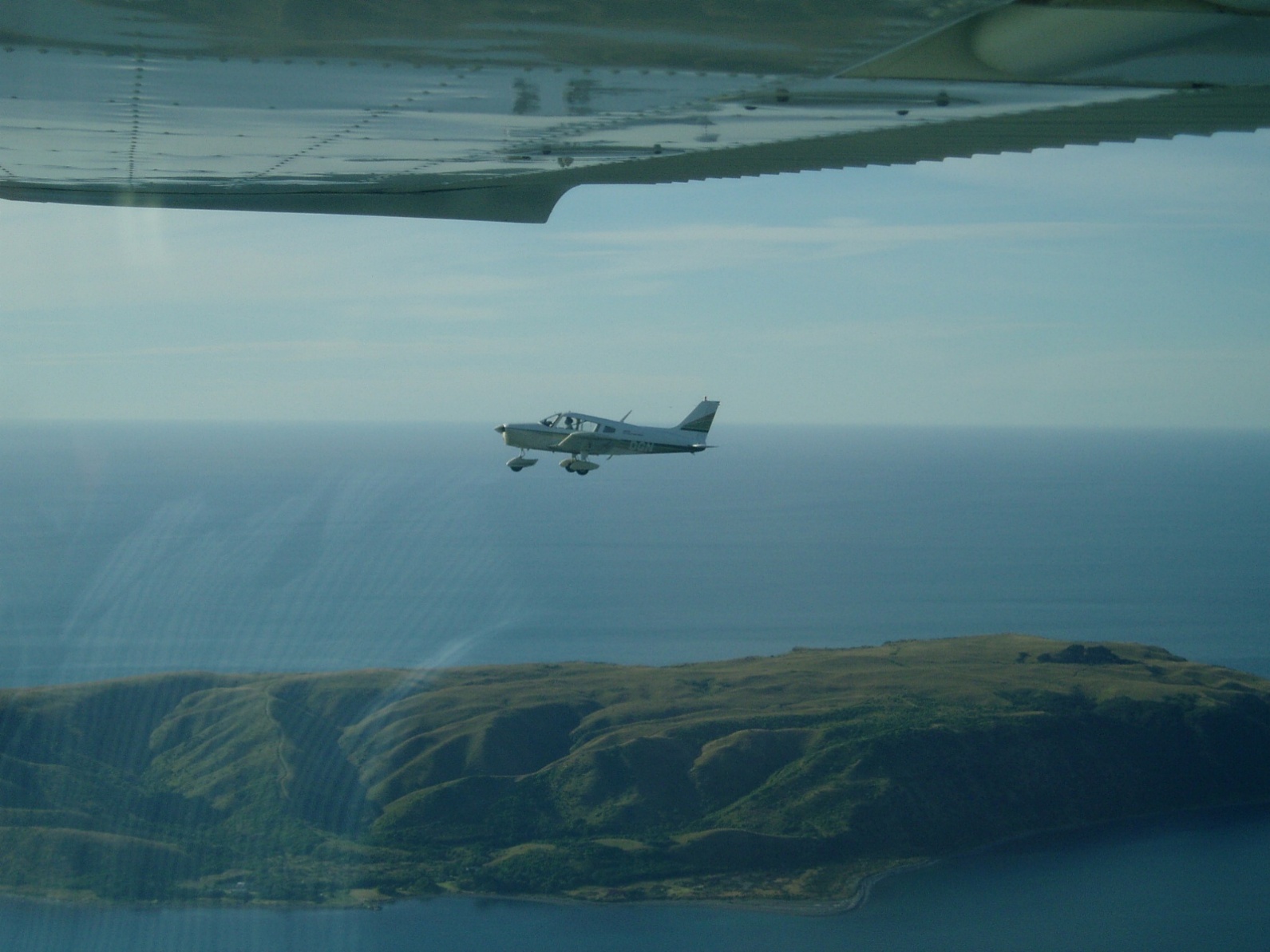
15. Relocating sold or ex-leased aircraft to a new home was a frequent
task.


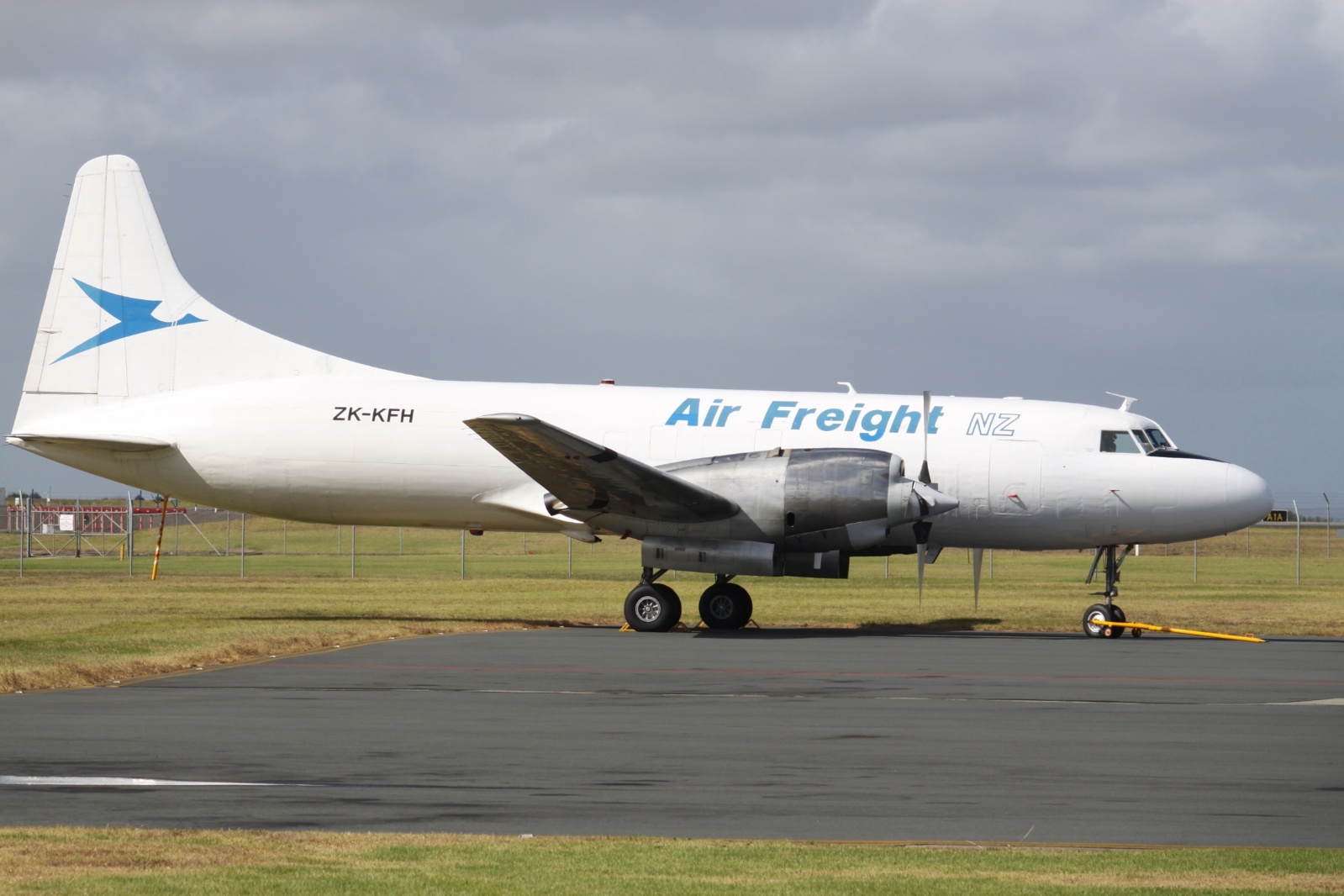
16. The very last brokered under the SASL brand. Fleet of 4x Convair 580’s turboprops.
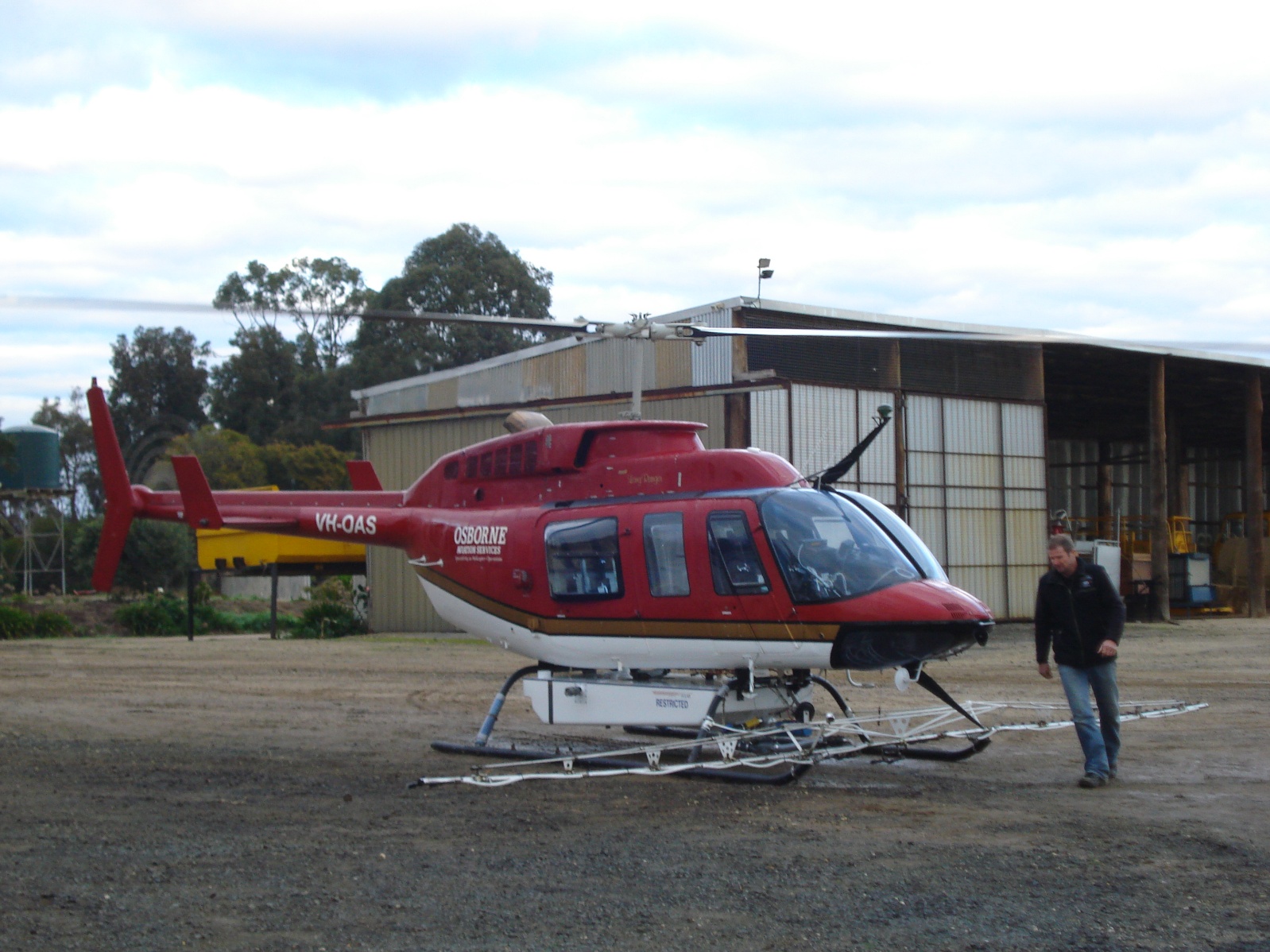
17. Valuations for fixed and rotor wing aircraft across Australasia.
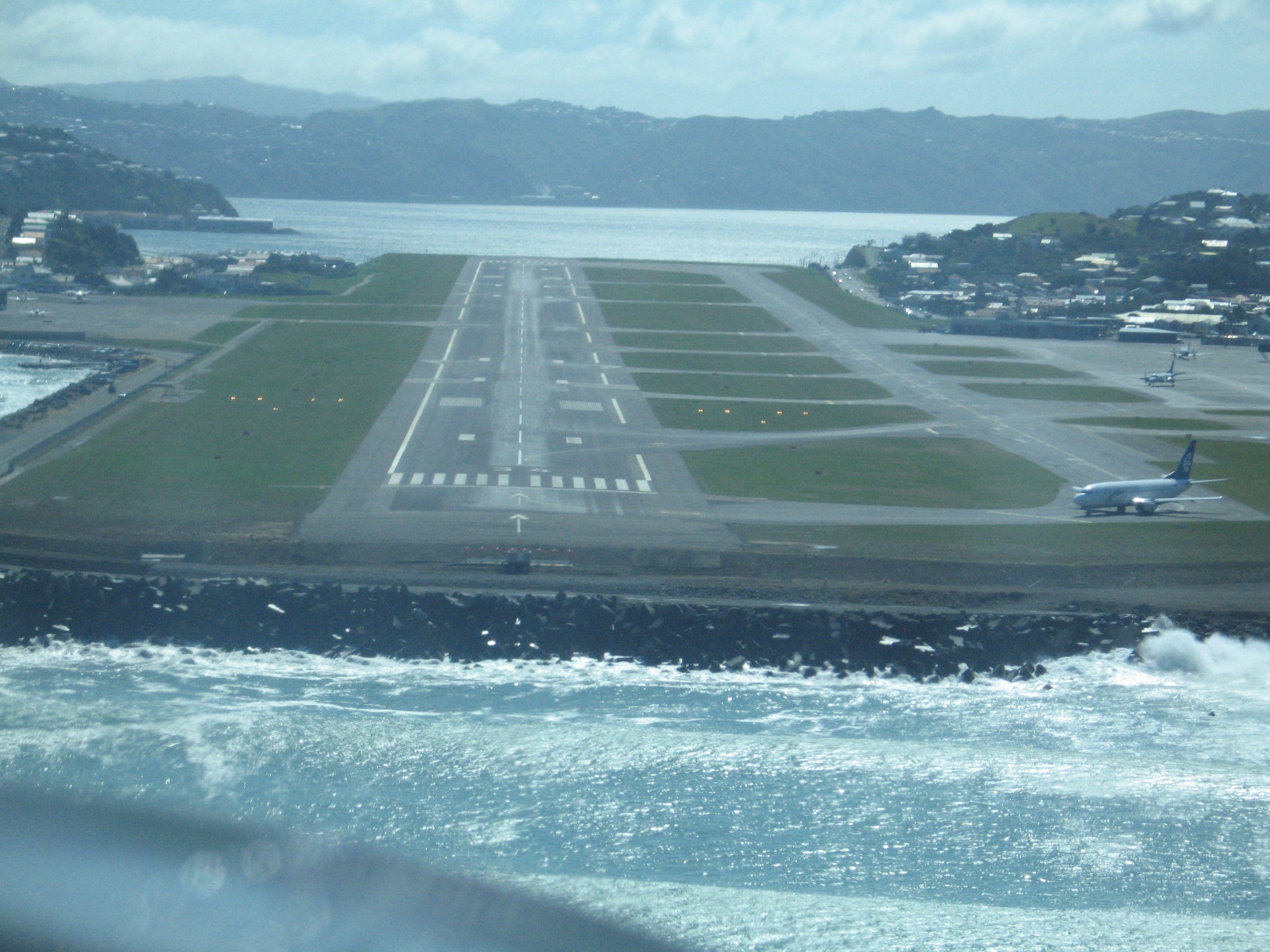
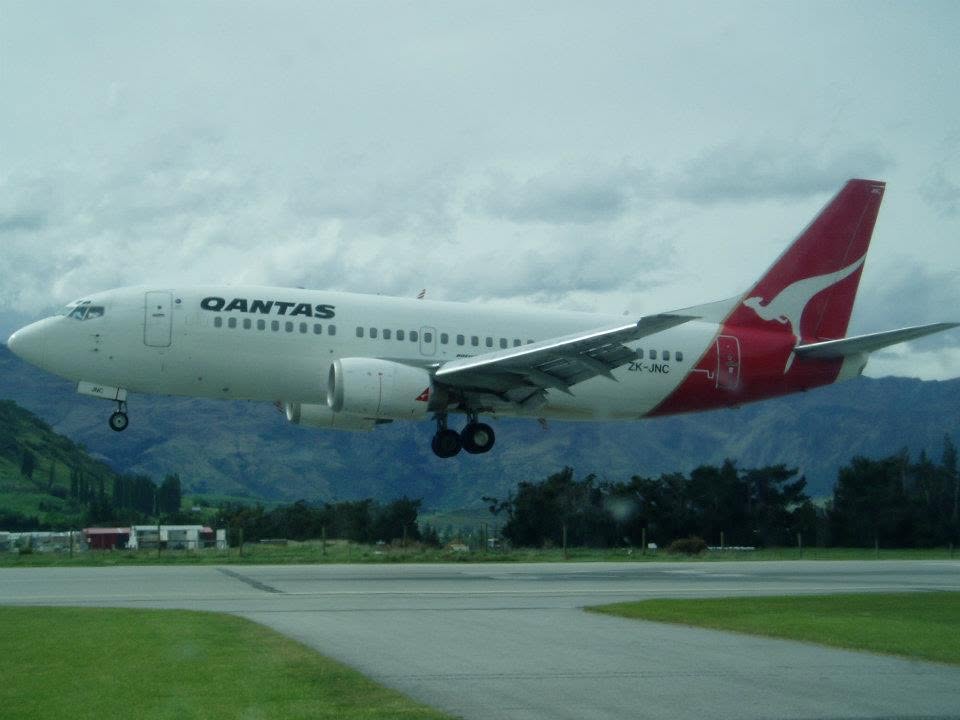
18. Navigating other aircraft at major airports was a common occurrence.